Your baby’s first tooth is an exciting milestone! Along with all those adorable gummy smiles and tiny new teeth, though, comes a new responsibility: oral hygiene. You might be surprised to learn that caring for your child’s mouth should begin before their first tooth even appears. Starting early helps establish healthy habits, protects developing teeth, and makes dental care a natural part of your little one’s daily routine.
Start Before Your Baby’s First Tooth
You don’t have to wait for your baby’s first tooth to start caring for their mouth. In fact, gently cleaning their gums from birth helps remove milk residue and introduces them to the sensation of oral care.
To clean your baby’s gums, wash your hands thoroughly, wrap a clean, damp, soft washcloth or gauze around your finger, and gently wipe their gums. You can do this once or twice a day, particularly after feedings and before bedtime.
There’s no need for toothpaste at this stage. The goal is simply to keep your baby’s mouth clean and help them become comfortable with having their mouth touched. Making this a calm, consistent part of your daily routine can make the transition to brushing much easier when their first teeth arrive.
When Should You Start Brushing?
Once your baby’s first tooth emerges, it’s time to introduce a toothbrush! This often happens around six months of age, although some babies develop teeth earlier or later.
Choose a small, soft-bristled toothbrush designed for infants. Gently brush each tooth twice a day, including once before bedtime. Even if your baby has only one or two teeth, cleaning them regularly is important because baby teeth can develop cavities just like adult teeth.
Use a tiny smear of fluoride toothpaste about the size of a grain of rice. Fluoride helps strengthen tooth enamel and protect against decay. Brush gently along the front, back, and chewing surfaces of each tooth, taking care around your baby’s sensitive gums.
As more teeth appear, continue brushing all of them thoroughly. Once neighboring teeth touch, you can also begin flossing between them to clean areas a toothbrush cannot reach.
Making Oral Hygiene Easier for Little Ones
Babies and toddlers don’t always cooperate when it’s time to brush, and that’s completely normal! Keeping the experience positive can help your child develop a better relationship with oral hygiene.
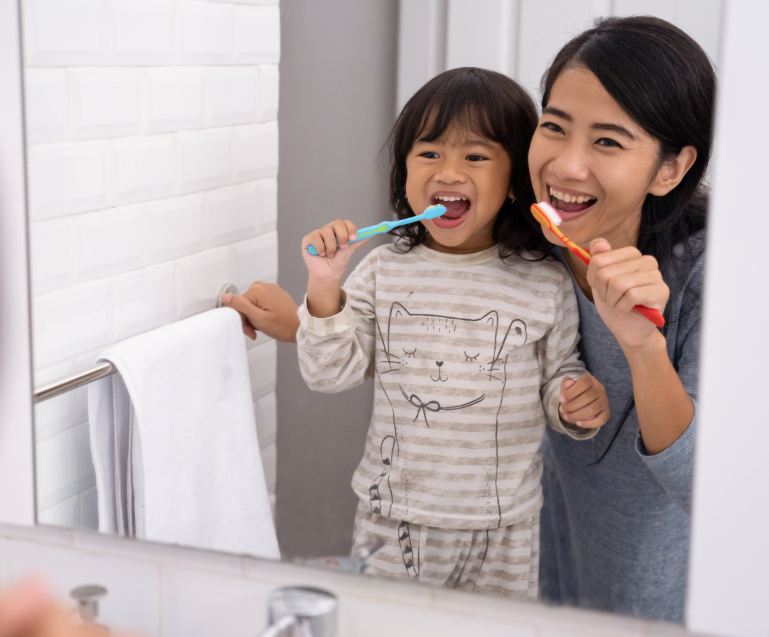
Try singing a favorite song, using a playful toothbrush, or letting your child hold their toothbrush while you help. A consistent morning and bedtime routine also makes brushing feel familiar rather than unexpected.
As your child grows, encourage them to practice brushing independently, but continue supervising and helping. Young children generally lack the coordination needed to brush effectively on their own until around age seven or eight. They should also be supervised when using toothpaste to ensure they spit it out rather than swallow it.
When Should Your Child First Visit the Dentist?
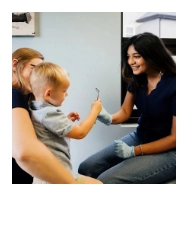
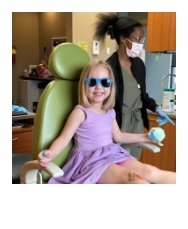
Your child should have their first dental visit by their first birthday or within six months of their first tooth appearing, whichever comes first. Early visits allow a dentist to monitor tooth development, check for signs of decay, and provide personalized guidance on brushing, fluoride, and feeding habits.
Regular preventive visits also give you an opportunity to ask questions as your child’s smile develops. Starting early helps make dental appointments a familiar experience and supports healthy habits that can last a lifetime.
A little care each day can make a big difference in your child’s growing smile!
About the Practice
LMK Pediatric Dental Care provides compassionate, child-focused dental care in Crown Point and Dyer, Indiana. Led by Dr. Lynn M. Karr, a board-certified pediatric dentist with more than 25 years of experience, the practice emphasizes education, prevention, and helping children feel comfortable during dental visits. Dr. Karr enjoys teaching children about oral hygiene, healthy eating, and the connection between oral health and overall wellness while helping families build healthy habits for life.
Call us at (219) 488-2410 or schedule your appointment online